
Product Description
CZPT rollers enhance rotation on the bushing while reducing impact loads on the sprocket tooth during operation.
All components are heat treated to achieve maximum strength. All components are heat treated to achieve maximum strength.
Pre-loaded during the manufacturing process to minimize initial elongation.
Hot dipped lubrication ensures 100% lubrication of all chain components to extend wear life and reduce maintenance costs.
| CHC NO. |
PITCH | BUSH WIDTH |
ROLLER DIA |
PIN | PLATE | MIN. STRENGTH |
AVG. STRENGTH |
MAX. STRENGTH |
TRANS PITCH |
|||
| d | L | LC | H | T | ||||||||
| mm | mm | mm | mm | mm | mm | mm | mm | kgf | kgf | kgf | mm | |
| C35-1 | 9.525 | 4.68 | 5.08 | 3.60 | 12.15 | 13.40 | 8.80 | 1.25 | 800 | 1,100 | 220 | NIL |
| C40-1 | 12.700 | 7.85 | 7.92 | 3.98 | 17.80 | 21.00 | 12.00 | 1.50 | 1,420 | 1,950 | 370 | NIL |
| C50-1 | 15.875 | 9.40 | 10.16 | 5.09 | 21.80 | 25.00 | 15.00 | 2.00 | 2,200 | 3,100 | 650 | NIL |
| C60-1 | 19.050 | 12.58 | 11.91 | 5.96 | 26.90 | 31.00 | 18.00 | 2.35 | 3,190 | 4,200 | 920 | NIL |
| C80-1 | 25.400 | 15.75 | 15.87 | 7.94 | 33.50 | 38.00 | 24.10 | 3.20 | 5,680 | 7,500 | 1,500 | NIL |
| C100-1 | 31.750 | 18.90 | 19.05 | 9.54 | 41.10 | 47.00 | 30.10 | 4.00 | 8,870 | 12,100 | 2,300 | NIL |
| C120-1 | 38.100 | 25.23 | 22.22 | 11.11 | 50.80 | 57.00 | 36.20 | 4.70 | 12,770 | 16,000 | 3,100 | NIL |
| C140-1 | 44.450 | 25.23 | 25.40 | 12.71 | 54.90 | 62.00 | 42.20 | 5.50 | 17,380 | 21,000 | 4,100 | NIL |
| C160-1 | 50.800 | 31.55 | 25.87 | 14.29 | 65.50 | 73.00 | 48.20 | 6.40 | 22,700 | 30,000 | 5,400 | NIL |
| C40-2 | 12.700 | 7.85 | 7.92 | 3.98 | 32.30 | 36.20 | 12.00 | 1.50 | 2,840 | 3,900 | 630 | 14.38 |
| C50-2 | 15.875 | 9.40 | 10.16 | 5.09 | 39.90 | 44.00 | 15.00 | 2.00 | 4,440 | 6,200 | 1,100 | 18.11 |
| C60-2 | 19.050 | 12.58 | 11.92 | 5.96 | 49.80 | 54.40 | 18.00 | 2.35 | 6,380 | 8,400 | 1,530 | 22.78 |
| C80-2 | 25.400 | 15.75 | 15.87 | 7.94 | 62.70 | 68.10 | 24.10 | 3.20 | 11,360 | 15,000 | 2,550 | 29.29 |
| C100-2 | 31.750 | 18.90 | 19.05 | 9.54 | 77.00 | 83.10 | 30.10 | 4.00 | 17,740 | 24,200 | 3,900 | 35.76 |
| C120-2 | 38.100 | 25.23 | 22.22 | 11.11 | 96.30 | 102.90 | 36.20 | 4.70 | 25,540 | 32,000 | 5,250 | 45.44 |
| C140-2 | 44.450 | 25.23 | 25.40 | 12.71 | 103.60 | 111.00 | 42.20 | 5.50 | 347,600 | 42,000 | 6,970 | 48.87 |
| C160-2 | 50.800 | 31.55 | 28.57 | 14.29 | 124.20 | 132.10 | 48.20 | 6.40 | 57,460 | 60,000 | 9,150 | 58.55 |
| Usage: | Transmission Chain, Conveyor Chain, Roller Chain |
|---|---|
| Material: | Alloy/Carbon Steel |
| Surface Treatment: | Polishing |
| Feature: | Heat Resistant |
| Chain Size: | 3/8"*2" |
| Structure: | Roller Chain |
| Customization: |
Available
| Customized Request |
|---|
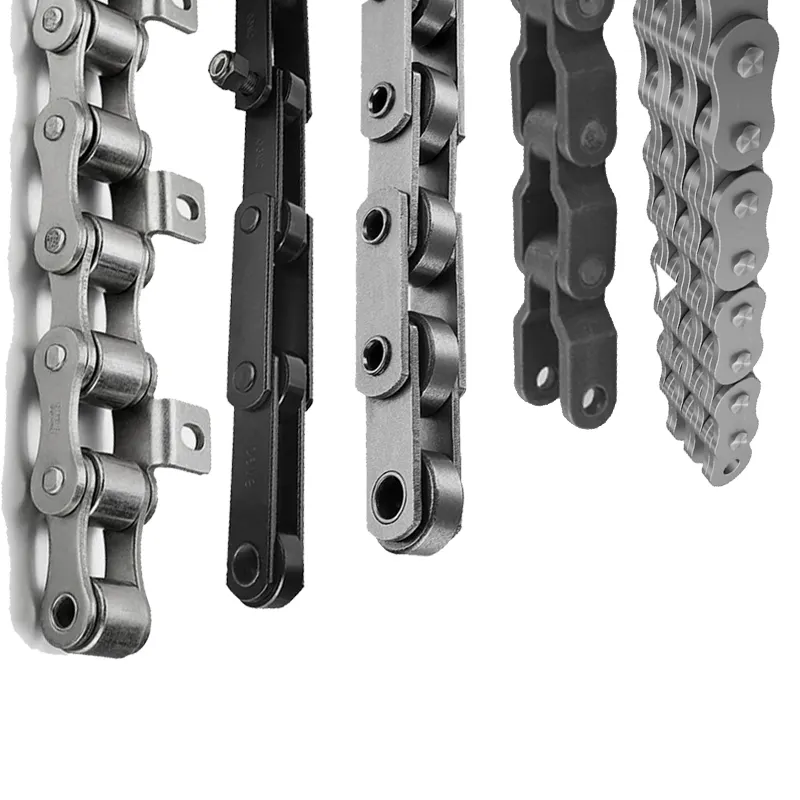
Can roller chains be used for power transmission in bicycles?
Yes, roller chains are commonly used for power transmission in bicycles. Here’s a detailed answer to the question:
Roller chains are an integral component of bicycle drivetrains, transmitting power from the pedals to the rear wheel. They offer several advantages that make them well-suited for this application:
1. Efficient Power Transfer: Roller chains provide efficient power transfer from the rider’s pedaling force to the rear wheel of the bicycle. They have low frictional losses, allowing for a smooth and efficient transfer of energy, resulting in better propulsion and improved performance.
2. High Strength and Durability: Roller chains used in bicycles are designed to withstand the forces exerted during pedaling and the varying loads encountered during riding. They are constructed using high-quality materials and precise manufacturing techniques to ensure strength and durability.
3. Lightweight: Roller chains used in bicycles are lightweight, contributing to the overall weight reduction of the bike. This is important for cyclists as it allows for faster acceleration, easier maneuverability, and enhanced handling.
4. Versatility: Roller chains are available in various sizes and configurations, allowing them to be used in different types of bicycles. Whether it’s a road bike, mountain bike, or city bike, roller chains can be adapted to suit the specific requirements of the bike’s drivetrain.
5. Easy Maintenance: Roller chains in bicycles require regular maintenance to ensure optimal performance and longevity. Proper lubrication and periodic cleaning are essential to prevent wear and corrosion. Fortunately, bicycle chains are relatively easy to maintain and can be readily accessed for cleaning and lubrication.
6. Cost-Effective Solution: Roller chains offer a cost-effective solution for power transmission in bicycles. They are affordable and widely available, making them a practical choice for bike manufacturers and cyclists alike.
In summary, roller chains are commonly used for power transmission in bicycles due to their efficient power transfer, strength, durability, lightweight nature, versatility, ease of maintenance, and cost-effectiveness. They play a crucial role in ensuring a smooth and reliable ride for cyclists of all types and skill levels.
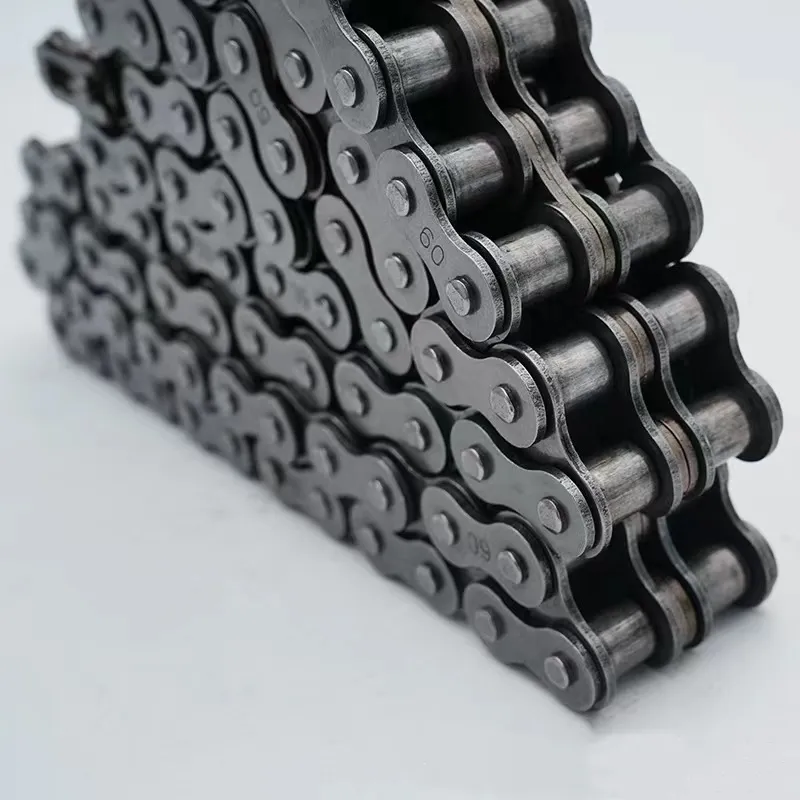
How do roller chains handle abrasive environments?
Roller chains are designed to handle various operating conditions, including abrasive environments. Here’s a detailed answer to the question:
1. Material Selection: Roller chains are typically constructed using high-quality materials that offer good resistance to abrasion. Common materials used for roller chains include alloy steel, stainless steel, or specialized coatings that enhance wear resistance.
2. Surface Hardness: The components of a roller chain, such as the pins, bushings, and rollers, are heat-treated to achieve a high surface hardness. This hardness helps to resist wear caused by abrasive particles present in the environment.
3. Lubrication: Proper lubrication plays a crucial role in protecting roller chains from abrasive wear. Lubricants act as a barrier between the chain components and abrasive contaminants, reducing friction and minimizing wear. The lubricant also helps to flush away any abrasive particles that may come in contact with the chain.
4. Sealing and Protection: Roller chains can be equipped with seals or protective covers to provide an additional layer of defense against abrasive particles. These seals help to prevent contaminants from entering the chain and causing premature wear. Seals also help to retain lubrication within the chain, further enhancing its performance in abrasive environments.
5. Regular Maintenance: Regular inspection and maintenance are essential to ensure the longevity of roller chains in abrasive environments. This includes periodic cleaning to remove accumulated debris and checking for signs of wear or damage. Prompt replacement of worn components is necessary to prevent further deterioration and ensure reliable operation.
While roller chains are generally robust in abrasive environments, it’s important to consider the severity of the abrasion, as extremely abrasive conditions may require specialized chain materials or additional protective measures. Consulting with experts and selecting the appropriate chain design and materials based on the specific application requirements can help maximize the performance and lifespan of roller chains in abrasive environments.


editor by CX 2023-08-11